Buying Property in Albania: Process, Taxes and What to Watch Out For
17 August 2026

Albania is among the most open European markets for foreign buyers: apartments and houses can be purchased by foreigners in full ownership in their own name, without quotas and without geographic restrictions. On the coast around Durrës and Golem, gross rental yields in listings are commonly cited around 5–7 % (indicatively) and property ownership is even recognized as grounds for residency permit. However, the country has its own specifics — most notably a legacy of uncontrolled construction — and these determine whether a purchase will be safe.
Can a Foreigner Buy in Albania?
Yes. A foreigner — including citizens of Slovakia and Czech Republic — can buy apartments, houses and other structures anywhere in Albania in full ownership (freehold) in their own name, without quotas and without geographic restrictions. Rights are practically the same as for Albanians: purchase, sale, rental and inheritance.
Restrictions apply to land. An agricultural land cannot be purchased directly by a foreigner — this is handled through an Albanian LLC (establishment approximately 500–1,000 € and about 2 weeks). For building land, investment conditions may be required. Pay special attention to parcels in the coastal zone approximately 200 m from the sea — before buying a villa with land, always have the cadastral classification verified.
Albania is not in the EU, so EU citizenship does not provide particular advantages here — but rules are equally open for all foreigners. No residency or citizenship is required for purchase: a passport is sufficient, and an Albanian tax number for tax purposes.
Purchase Process Step by Step
- Reservation or preliminary agreement with the developer or seller; standard deposit is approximately 10 % (for purchases under construction according to a payment schedule).
- Legal due diligence. A lawyer will verify the ownership title in the cadastre (ASHK), encumbrances, mortgages, restitution claims and, for new construction, building permits. This is the most important step of the entire purchase — do not skip it.
- Notarial purchase agreement. The notary draws up the agreement, verifies it and blocks the property in the cadastre; the buyer pays the price by bank transfer (recommended, not in cash).
- Registration in the cadastre (ASHK). The notary will submit the agreement for registration; the new electronic ownership certificate is usually issued within 2–4 weeks. The entire transaction from agreement to registration typically takes 4–8 weeks.
- Remote purchase is possible through power of attorney with apostille and official translation. For purchases under construction, the agreement with the developer is concluded notarially and the final transfer takes place after handover and registration of the building.
Fees and Taxes at Purchase
> The Globeya Full Service is added to the developer's or seller's price. It covers the whole service, legal work included — a lawyer, legal checks and contract translation. It is paid once, on signing the contract, together with the down payment. Taxes and official state fees are not part of it — you will find the main ones below; we tell you the exact amounts for your specific project in advance and go through all the terms with you in a consultation.
- Transfer tax: For new construction from a developer, instead a fee of approximately 6 €/m² plus a small municipal fee is paid.
Annual Costs for Owner
- Property tax is paid according to floor area and location — approximately 0.9–2.1 €/m² per year; Durrës falls into the higher rate around 2 €/m². For second and subsequent residential properties, the tax is doubled.
- Waste disposal: approximately 10–50 € per year.
- Building or resort management: a typical apartment building approximately 10–30 € monthly; in resort complexes with pool and security more, according to manager agreement — request the rate in writing before purchase.
- Utilities: electricity and water are inexpensive compared to Slovakia/Czech Republic — with normal use approximately tens of euros per month.
Rental and Yield
A foreigner may rent, both short-term and long-term. Nationwide, there is currently no license requirement, minimum stay length or cap on nights for short-term rental; however, income must be registered for tax purposes.
Income tax on rental income is 15 % of gross rent and applies also to non-residents. Slovakia and Czech Republic have treaties with Albania to prevent double taxation — income is reported primarily in Albania.
Gross yields on the Durrës/Golem coast are commonly cited in listings around 5–7 % (indicatively). Plan for strong seasonality — outside summer, short-term rental demand is weak.
Residency and Visas
Citizens of Slovakia and Czech Republic may stay in Albania visa-free for 90 days within 180 days. Albania is not in Schengen, so these days do not count toward the Schengen limit.
Property ownership is recognized grounds for a residency permit — with no required minimum investment threshold. The condition is to own at least 50 % of the property and at least 20 m² of living space per family member. The permit is issued for 1 year and renewed; it does not grant working rights. Albania does not have a "golden visa" program for investment.
Financing
Albanian banks provide mortgages to non-residents only exceptionally and under strict conditions: down payment approximately 30–40 %, proof of income and LTV cap approximately 70 % for loans in foreign currency.
Common practice for clients from Slovakia and Czech Republic is therefore cash or developer payment plan during construction — typically deposit plus installments until handover; some developers also offer installment-free payments shortly after handover. An alternative is a loan secured by property at home (so-called US-style mortgage) from a Slovak or Czech bank and payment by transfer.
Risks and What to Watch Out For
- Illegal and unlegalized buildings — a legacy of wild construction after 1990. An unregistrable building cannot be sold through a notary, financed by a bank or legally rented; courts order demolitions. Always require an ASHK ownership certificate and building permit.
- Restitution claims to land from communist-era expropriations — must be part of legal due diligence.
- Purchase under construction (off-plan): mandatory funds escrow does not exist. Pay only under a notarially executed agreement, tie milestones to construction progress and verify the developer's history and financing.
- Undervalued price in the contract: local practice to state a lower price. Do not agree to it — it complicates later sale (higher paper gain means higher tax) and violates regulations. From 1 January 2026, moreover, new official reference prices by region apply.
- Cash payments in euros: insist on bank transfer with documentation — for AML compliance and your own protection.
Sale in the Future
Capital gain from sale (difference between sale and acquisition price) for an individual including a non-resident is taxed at a rate of 15 %. Albanian law does not recognize a time test for exemption after a certain holding period.
A temporary exception exists: law 85/2025 on property revaluation allows revaluing property at market value with taxation of the difference at only 5 % — applications are filed by 31 December 2026 (do not delay until year-end) and tax is paid by 31 December 2026; if the cadastre does not process the application by then, tax may be paid by 31 March 2027. For older property, it is worth consulting. Sale proceeds may be transferred abroad through a bank with documentation of acquisition.
Frequently Asked Questions
Will the apartment really be registered in my name even though I am not Albanian? Yes — apartments and houses are purchased in full ownership in your own name, registered in the ASHK cadastre.
Do I have to travel for the purchase? No, it can be purchased through power of attorney with apostille; however, we recommend at least one viewing trip.
What currency is used? Prices on the market are commonly stated in euros and payment by transfer in EUR is standard.
Will I get residency from the purchase? A purchase gives grounds to apply for an annual renewable residency permit; for normal stays the visa-free 90 days within 180 is sufficient.
Can I rent the apartment to tourists? Yes, without nationwide license; income is taxed at 15 % of gross rent.
What protects me from buying an illegal building? An ASHK cadastre extract, building permit and handover certificate — without these documents do not buy, no price is low enough.
Next Step
If Albania interests you, we are happy to review specific locations with you and how to safeguard legal due diligence. Consultation is free and commits you to nothing. Meanwhile you can view current listings in Albania.
Information status: August 2026. Indicative information, not legal or tax advice.
Properties in this country
Listings — Albania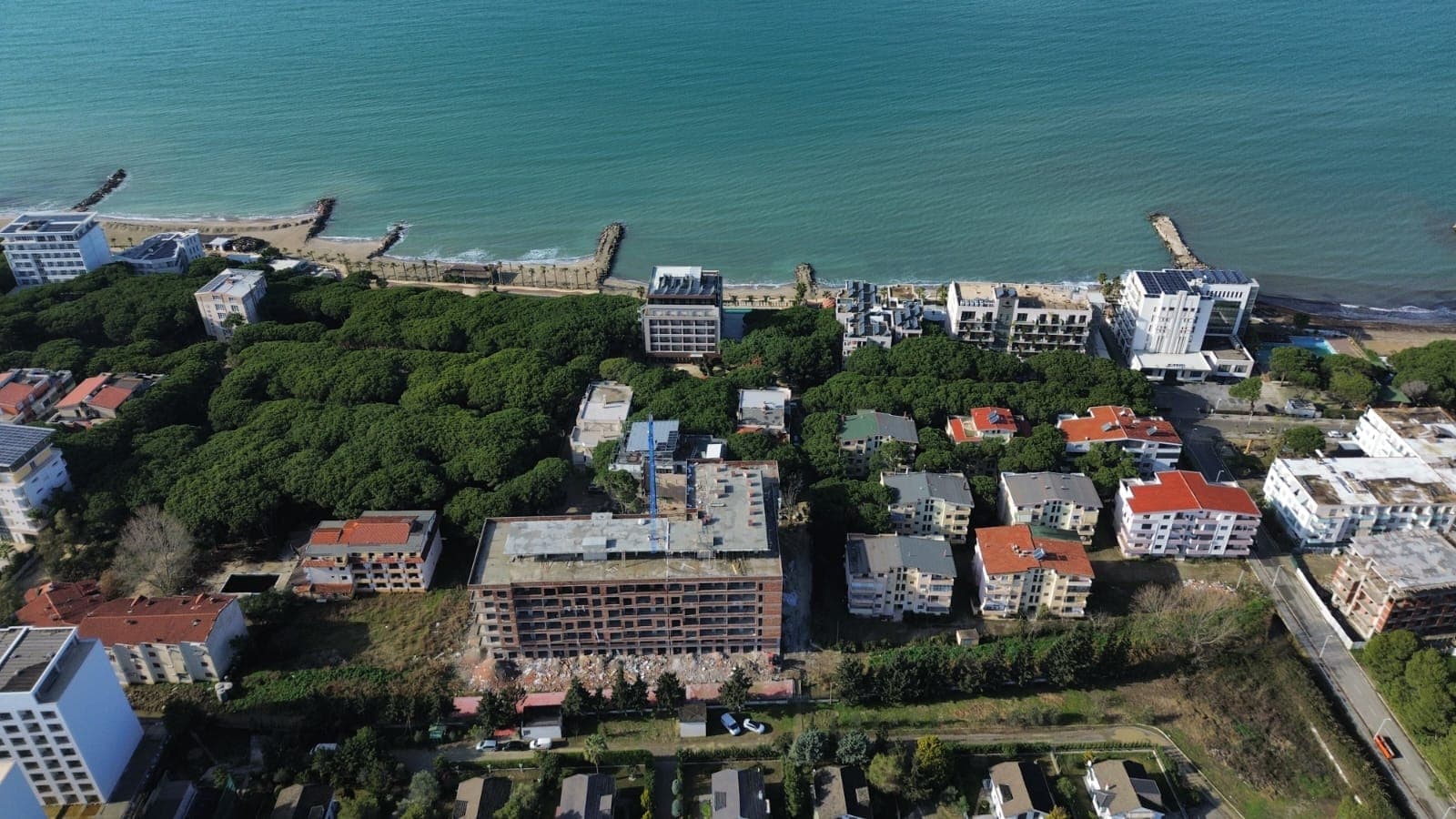 Albania · Golem
Montevideo Residential Project – Golem, Albania
Prestigious residential project on the Albanian coast in Golem, just 50-70 meters from the beach and sea.
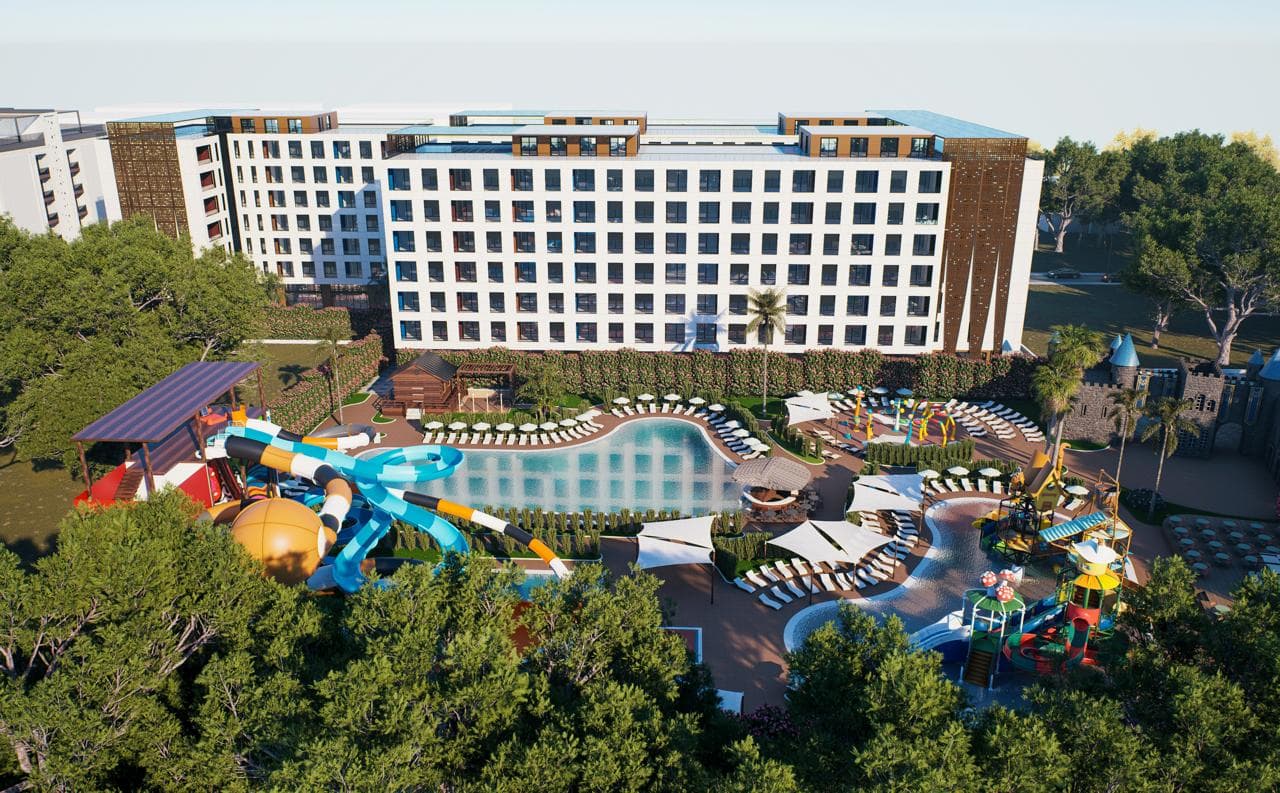 Albania · Golem
VM RESORT – Golem, Albania
Premium residential complex 250 metres from the sea in Golem with pool, water park 10,000 m², units from 1,300 EUR/m². Completion 2027.
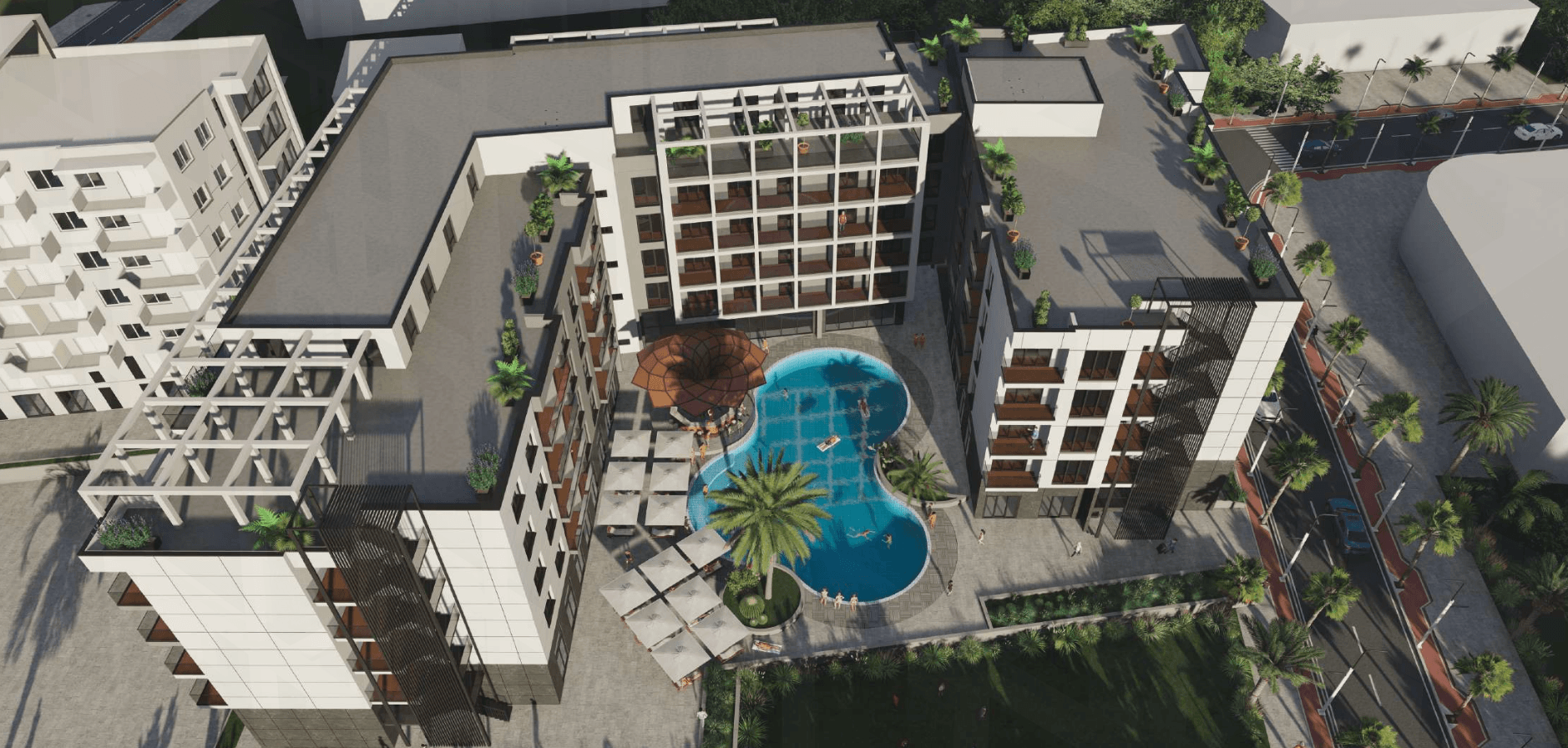 Albania · GolemUnder construction
Azuro Coast (Orchidea) – Golem, Albania
Modern residential-hotel complex just 300 m from the beach in Golem, Albania, with swimming pool and underground parking.