Buying Real Estate in Egypt: Process, Taxes, and What to Watch Out For
17 August 2026
Egypt is one of the few countries where a citizen of Slovakia or Czechia can buy an apartment by the sea in full ownership, request renewable residency on that basis, and pay annual costs that are low compared to the EU. Hurghada, Sahl Hasheesh, El Gouna, and Makadi Bay are also located outside the Sinai Peninsula, so they are not subject to the land ownership restrictions there. In this guide you will find the entire buying process, real fees, and pitfalls to avoid.
Can a foreigner buy in Egypt?
Yes. Law No. 230/1996 allows foreigners — including citizens of Slovakia and Czechia, who are subject to the same rules as other foreigners; the EU has no special exceptions — to own real estate in the form of full ownership (freehold). The law, however, sets several restrictions:
- maximum 2 properties per person (decrees from 2024–2025 relax this limit for buyers paying in foreign currency from abroad), intended for living for themselves and family,
- each with an area of at most 4,000 m²,
- prohibition on sale during the first 5 years from acquisition (the prime minister may grant an exception),
- prohibition on owning land on the Sinai Peninsula — in Sharm el-Sheikh, therefore, only long-term lease (usufruct) is possible.
Hurghada, Sahl Hasheesh, El Gouna, and Makadi Bay are outside Sinai, so foreigners buy freehold there including a share of the land. In Sahl Hasheesh, the main developer of the destination is Egyptian Resorts Company (ERC) and projects are registered with the Sahl Hasheesh administration, which adds another layer of control. The form of ownership — freehold versus long-term usufruct — should always be confirmed by a lawyer directly from the contract, not verbally by the seller.
An important change on the horizon: a draft amendment from 2025 requires a foreigner to pay the purchase price by bank transfer from abroad in foreign currency through a state-owned Egyptian bank. Therefore, direct all payments from the start through official banking channels, never in cash.
Buying process step by step
- Reservation. A deposit of approximately 1,000–5,000 USD, which is credited toward the purchase price; if cancelled without cause, it is typically forfeited.
- Legal due diligence. An independent lawyer verifies the seller's ownership, building permits, and in the case of a developer, whether they own the land.
- Purchase agreement (SPA). Concluded in Arabic and English; for off-plan projects, it includes a payment schedule tied to construction milestones.
- Registration of the purchase agreement at court. In Egypt this replaces the land registry — a verified purchase agreement is the standard legal document for an apartment. Court verification of the agreement ensures that the apartment belongs to the foreign buyer alone: they can use it, rent it out and transfer it further.
- Two routes to ownership. The first is the tawkil — a notarised power of attorney with specific powers over the property (for example to sell or transfer it); in practice it is often used when apartments are resold. A tawkil is not a title deed and by itself does not mean you are registered as the owner in the state register, which is why it always goes together with a proper purchase agreement verified at court and a check of the whole chain of ownership documents. Most of our clients choose this route — it is also simpler for a future resale. The second is the Green Contract — official state registration of ownership (a registered ownership contract). When properly registered it gives a strong legal basis and an official record of ownership, but not every property can be registered this way easily, the process is more expensive and lengthier, and on resale it brings several restrictions and a higher burden. It is used mainly by locals, for example when they want a mortgage in Egypt. We recommend the first route.
With a completed property, the path from signature to handover takes approximately 2–4 months; a Green Contract takes longer. Buying from abroad is possible: you arrange the power of attorney (tawkil) either directly at the authorities in Egypt on your next trip, or remotely; the lawyer then handles the signatures and the registration of the purchase agreement at court.
Fees and taxes at purchase
> The Globeya Full Service is added to the developer's or seller's price. It covers the whole service, legal work included — a lawyer, legal checks and contract translation. It is paid once, on signing the contract, together with the down payment. Taxes and official state fees are not part of it — we tell you their amounts for your specific project in advance and go through all the terms with you in a consultation.
VAT is not separately charged on a standard purchase of a residential unit from a developer.
Annual costs for the owner
- Real estate tax: 10% of the net annual rental value after statutory deductions. From April 2026 (Law No. 3/2026), the primary residence of a family with an annual rental value up to 100,000 EGP (corresponding to a market value of around 8 million EGP) is exempt from tax; for typical apartments in Hurghada, the tax is zero or very low, as it is calculated from a low rental value after statutory deductions.
- Resort management (maintenance): approximately 8–15 USD/m² per year depending on the resort and scope of services; in Sahl Hasheesh, a community management fee for the destination is also added.
- Utilities: compared to the EU, inexpensive — electricity, water, and internet for normal apartment use come to approximately 30–80 USD per month.
Rental and yield
A foreigner is allowed to rent out their property. Short-term rental such as Airbnb is legal in Hurghada and regulation is currently relaxed; however, some gated resorts prohibit or restrict it by internal regulations, so check the rules of the specific compound before purchasing.
Income tax on rental for a non-resident: Egyptian income is taxed; for rental, a standard 50% cost deduction applies and the remainder is subject to progressive tax rates of approximately 10–27.5%. If you entrust rental to a management agency, expect a fee of approximately 15–25% of gross income.
What can be earned? According to short-term rental data in Hurghada, average occupancy ranges around 35–53% depending on the source, and annual gross income of a typical listing is roughly 4,000–10,000 USD; a studio is typically in the lower half of the range — the result strongly depends on location and quality of management. Peak seasons are October and April.
Residency and visas
Egypt is among countries where buying real estate opens the door to residency. A property owner has the right to request renewable residency tied to the property:
- from 50,000 USD — 1-year residency,
- from 100,000 USD — 3-year residency,
- from 200,000 USD — 5-year renewable residency.
Residency is not automatic — it is requested with a notarized contract or Green Contract, and renewal costs roughly hundreds of EGP. Egyptian citizenship can be obtained through a state investment program — for properties from 300,000 USD, but only in government-owned projects, not through a standard purchase from a private developer. For a regular visit, an e-visa for 30 days is sufficient (extendable on the spot); residency without residence is time-limited by the visa.
Financing
Local mortgages for foreigners are practically unavailable. The standard is cash payment or developer payment plans: typically a 10–40% deposit and installments over 1–7 years, often interest-free — the price already reflects them. Clients from Slovakia and Czechia commonly finance the purchase with a loan secured by domestic real estate (American mortgage or refinancing); no Slovak or Czech bank will accept an Egyptian property as collateral.
Risks and what to watch out for
- Power of attorney without a contract. A tawkil by itself is not a title deed — it always goes together with a proper purchase agreement verified at court and a check of the whole chain of ownership documents.
- Land and permits. Verify that the developer owns the land and has a building permit.
- Off-plan. Pay according to construction milestones, not a large sum upfront. The contract should include penalties for delay and the right to withdraw in case of prolonged delay; check the developer's completed projects.
- Payments. Exclusively by bank transfer — in the future, mandatory in foreign currency through Egyptian banks. Cash payments without documentation are a risk even for future proof of source of funds.
- Currency. The Egyptian pound is volatile — prices and rents agreed in USD or EUR reduce currency risk.
- Lawyer. Always independent, not the developer's lawyer.
Selling in the future
For a foreigner, formally a 5-year prohibition on sale from acquisition applies (Law 230/1996); the prime minister may grant an exception. Upon sale itself, the seller pays a transfer tax of 2.5% of the gross sale price; a separate capital gains tax is not charged additionally on the sale of a residential property by a natural person. Profit is legally repatriable through a bank if the purchase was properly documented by bank transfers — which is why it pays to pay carefully through an account from the outset of the purchase.
Frequently asked questions
Will I get a title deed like in Slovakia? Yes, the apartment is in your personal ownership, just as in Slovakia. The land registry in Egypt is replaced by a purchase agreement registered at court — a verified purchase agreement is the standard legal document for an apartment. Most of our clients take the tawkil (power of attorney) route together with a purchase agreement verified at court; the Green Contract, i.e. official state registration of ownership, is more expensive and lengthier, not every property can be registered this way easily, and it is used mainly by locals for a mortgage. We recommend the first route.
Can I buy without traveling to Egypt? Yes. You arrange the power of attorney (tawkil) either directly at the authorities in Egypt on your next trip, or remotely; the lawyer then handles the signatures and the registration of the purchase agreement at court.
How much will I pay on top of the price? The Globeya Full Service is added to the developer's or seller's price — it includes a lawyer, legal checks and contract translation. It is paid on signing the contract, together with the down payment. We tell you the taxes and official state fees for your specific project in advance and go through all the terms with you in a consultation.
What are the annual costs for an apartment? Maintenance approximately 8–15 USD/m² per year plus inexpensive utilities; real estate tax is usually zero or minimal.
Am I allowed to rent via Airbnb? Yes, it is legal and common; however, check the internal rules of the specific resort.
Will buying give me residency? Yes, renewable residence — from 50,000 USD for 1 year, from 100,000 USD for 3 years, from 200,000 USD for 5 years.
Next step
If you are considering buying by the Red Sea, we would be happy to walk through your budget, goals, and specific projects that match them at a free consultation. It does not commit you to anything — you will leave with a clearer picture of whether Egypt makes sense for you. In the meantime, you can view current offers in Egypt.
Information status: August 2026. Indicative information, not legal or tax advice.
Properties in this country
Listings — Egypt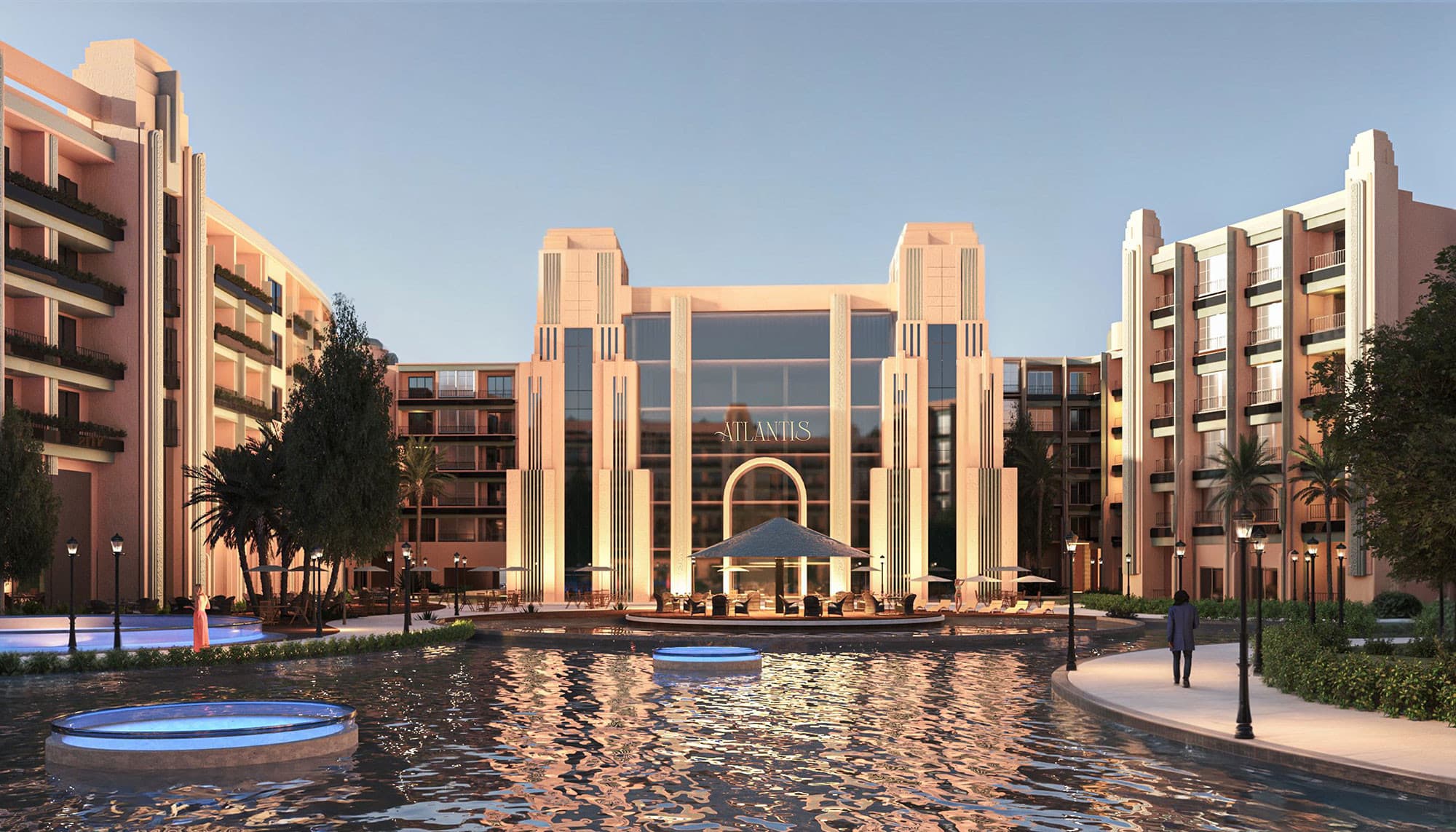 Egypt · Al Hadaba – Hurghada⭐ TOPUnder construction
Atlantis by Castello
Modern residential complex in central Hurghada with studios, condos, and apartments, featuring premium location 5 minutes from the airport and 3 minutes from Mamsha promenade.
 Egypt · Sahl Hasheesh – Hurghada⭐ TOPUnder construction
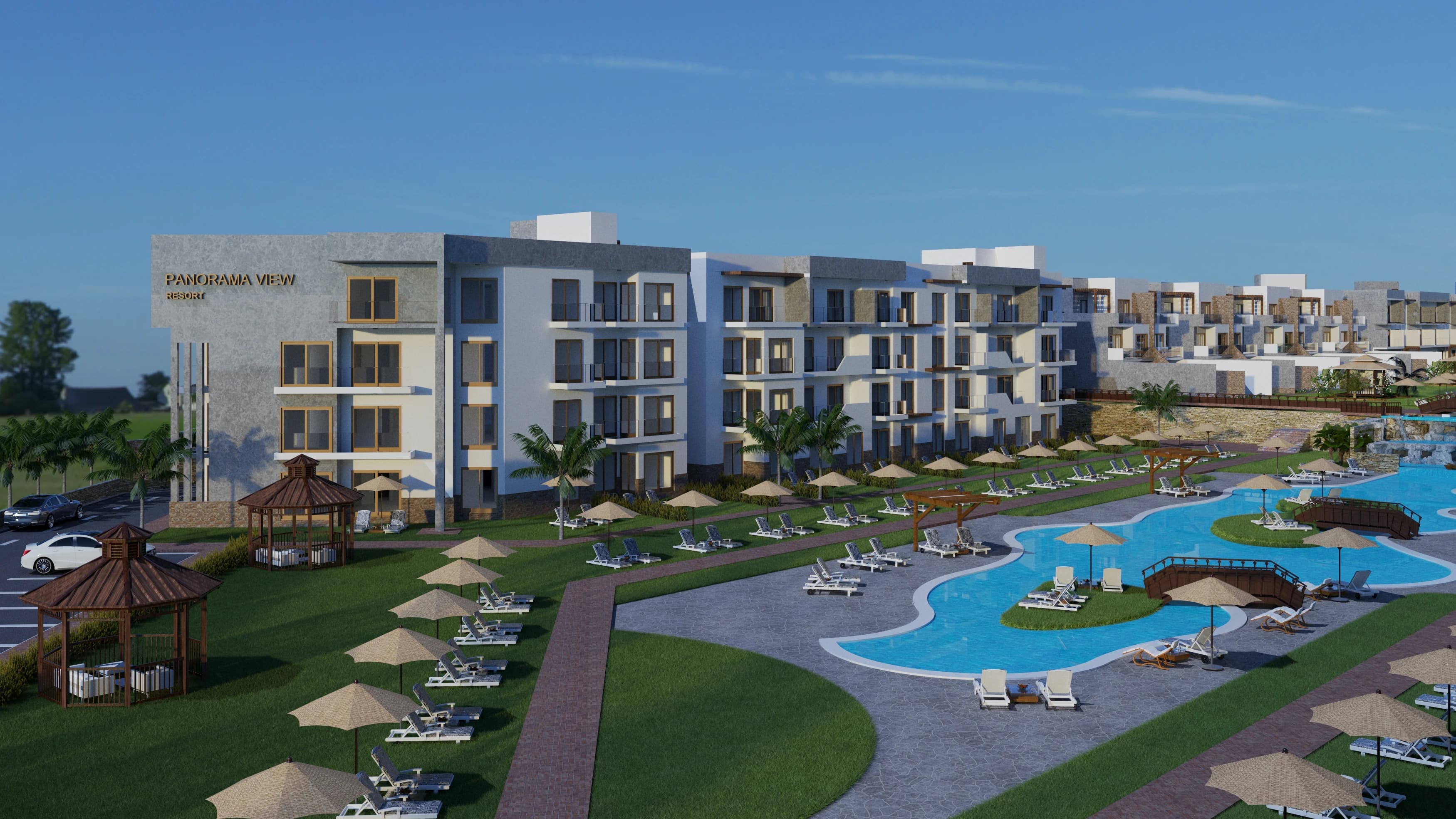
Panorama View Sahl Hasheesh
Luxury residential development in Sahl Hasheesh spanning 37,000 m² with only 20% built area, the rest dedicated to nature.
 Egypt · El Mamsha – Hurghada⭐ TOPUnder construction
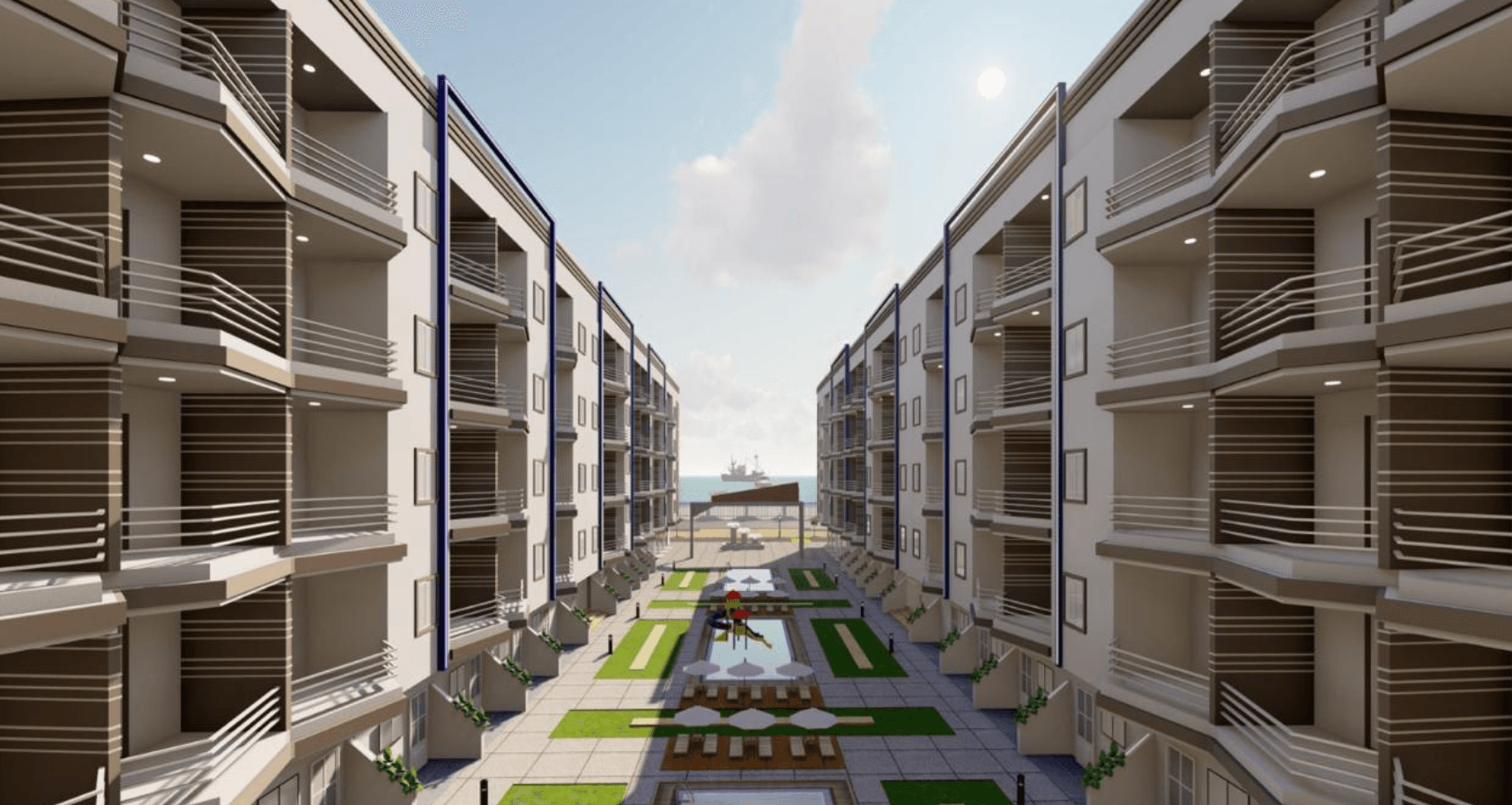
Grand Rock Resort – Hurghada, El Mamsha
Modern project on the main tourist promenade El Mamsha with multiple pools, fitness centre and studios from 46 m². Completion 12/2026, 10% discount for full payment.