Buying Property in Hungary: Process, Taxes and What to Watch Out For
17 August 2026

Hungary is for Slovaks and Czechs a market literally around the corner — and for EU citizens one of the most open ones. Residential properties are purchased here in the same way as by Hungarians: in their own name, in full ownership and without any permit. A nationwide property tax does not exist. However, the process has its specificities — from a mandatory Hungarian lawyer through strict "foglaló" deposit to tightening regulation of short-term rentals in Budapest. Here is everything you need to know before you sign the contract.
Can a foreigner buy in Hungary?
Yes. EU/EEA citizens purchase residential properties in the same way as Hungarians — in their own name, in full ownership, without a permit. A permit from the county authority (kormányhivatal) is needed only by citizens outside the EU: the fee is approximately 50,000 HUF, processing usually takes 30–60 days and is rarely rejected. Agricultural and forest land is practically inaccessible to all foreigners — even to most Hungarians without farming qualifications.
Important update: as of 1 July 2025, the law on the protection of local identity applies. Municipalities may introduce a right of first refusal, conditions for registering residence or a "settlement" tax. Over 200 municipalities have adopted it, mainly in the Budapest agglomeration and around Balaton, and it applies to all "newcomers" including Hungarians from other municipalities. Before purchasing outside Budapest, you should always check whether the specific municipality has introduced restrictions. In Budapest itself, there are currently no restrictions on purchasing a flat for EU citizens.
Purchasing process step by step
- Selection and verification: the lawyer will obtain the property title (tulajdoni lap) — owner, encumbrances, enforcement orders.
- Purchase contract: by law, it must be drawn up and countersigned by a Hungarian lawyer (ügyvéd), otherwise the land registry will not accept it. We arrange the lawyer as part of the Globeya Full Service.
- "Foglaló" deposit: typically 10% at signing. Its legal regime is strict — if the buyer withdraws, the deposit is forfeited; if the seller does, they return double.
- Additional payment according to contract: for new builds according to construction phases, for finished flats usually within 30–60 days, often through attorney escrow.
- Registration with the land registry (földhivatal) will be filed by the lawyer; the tax authority (NAV) will then issue a transfer tax assessment.
For a finished flat, the entire process typically takes 1–2 months. Remote purchase is possible via power of attorney with apostille (or signed at the Hungarian consulate) with official translation; new builds are commonly signed by correspondence.
Fees and taxes when purchasing
> The Globeya Full Service is added to the developer's or seller's price. It covers the whole service, legal work included — a lawyer, legal checks and contract translation. It is paid once, on signing the contract, together with the down payment. Taxes and official state fees are not part of it — you will find the main ones below; we tell you the exact amounts for your specific project in advance and go through all the terms with you in a consultation.
- Transfer tax (illeték): 4% of market value up to 1 billion HUF, 2% above it. It is paid by NAV assessment after registration, not in cash at signing.
- New build from developer: price includes VAT. Reduced rate of 5% applies to flats up to 150 m² and houses up to 300 m² (extended until end of 2026; with building permit issued by end of 2026, it can be applied to sales up to end of 2030); above these limits the rate is 27%. For new flats up to 15 million HUF, transfer tax is not paid, above that there are partial relief — approximately, the exact calculation will be confirmed by the lawyer.
Annual costs for the owner
- Nationwide property tax does not exist. Some municipalities and city districts, however, levy a local building tax (építményadó), typically on flats that are not the owner's permanent residence. Rates vary by city district — typically hundreds to approximately 2,000 HUF/m² per year; you must check in the specific district.
- Condominium common expenses (közös költség): depending on the building and services, for a typical Budapest flat approximately 15,000–40,000 HUF per month; more for new builds with an elevator, garage and reception.
- Utilities: depending on consumption.
Rental and yield
A foreign owner may rent out. For long-term rental, income tax is 15% — the basis is income minus actual expenses or a 10% flat rate; social contributions are typically not paid on regular long-term rental by individuals. Non-resident pays tax on income from Hungarian property in Hungary (Slovakia and the Czech Republic have treaties with Hungary on the prevention of double taxation). Gross yield from long-term rental in Budapest is approximately 5% (Global Property Guide, 2025).
Short-term rental in Budapest is regulatory risk: as of 1 January 2025, a moratorium on new short-term accommodation registrations applies throughout Budapest (until end of 2026), District VI (Terézváros) banned it completely from 1 January 2026 and other central districts are considering caps. Existing licences remain valid; flat-rate tax for private accommodation is 150,000 HUF per room per year in Budapest (outside Budapest 38,400 HUF), plus NTAK registration and local accommodation tax.
Residence and visas
Purchasing property does not establish residence. EU citizens, however, do not need one: with residence over 3 months, a registration card for EU citizens (free formality) is sufficient and the property will serve as proof of residence. For citizens outside the EU, there is a "visiting investor" programme (investment of 250,000 € in a real estate fund; direct property purchase of 500,000 € was removed by law and does not establish residence) — for clients from Slovakia and the Czech Republic it is irrelevant.
Financing
Hungarian banks finance mainly applicants with income in Hungary; a non-resident without Hungarian income will find it difficult to get a mortgage and with lower LTV. Common practice for clients from Slovakia and the Czech Republic:
- cash,
- developer payment schedule for new builds — typically 10–20% at contract, remainder according to phases or on handover,
- loan in Slovakia or the Czech Republic secured by domestic property — Hungarian flat will typically not be accepted by Slovak or Czech bank as security.
State-subsidized loans (for example Otthon Start with 3% rate from September 2025) are intended for domestic buyers; for a foreign client they mainly mean rising prices and competition when buying.
Risks and what to watch out for
- Short-term rental: regulation is tightening (moratorium, ban in District VI) — business plan based on Airbnb in Budapest is risky. Long-term rental is a safer assumption.
- Property title: encumbrances, bank mortgages, easements, ongoing registrations — checked by the lawyer; without their countersignature the contract is not valid.
- New builds: escrow or bank guarantee is not automatic. Verify developer financing, schedule, contractual penalties for delay and building use permit (használatbavételi engedély) before final payment; check whether 5% VAT applies.
- Law on protection of local identity: when purchasing outside Budapest, check municipal right of first refusal and conditions for registering residence — they may prolong the transfer or block it.
- Prices: in Budapest after 2025 prices rose rapidly (also due to the Otthon Start programme) — do not overpay without comparing prices per m² in the district.
- Reserve for tax: transfer tax is assessed by NAV subsequently — reserve 4% above the purchase price for it.
Selling in the future
Gain on sale is taxed by a non-resident in Hungary at a rate of 15%, but the basis is reduced according to holding period: in the year of purchase and in the 1st year after it 100% of gain is taxed, then 90%, 60%, 30% and from the 5th year after acquisition 0% — after 5 years the sale is tax-free. Acquisition costs, fees and documented investments in the flat may be deducted.
Frequently asked questions
Do I need a permit as a Slovak or Czech to purchase? No. EU citizens purchase residential properties without a permit; the permit applies only to citizens outside the EU.
Must I be in Budapest in person when purchasing? No. A power of attorney with apostille (or signature at the consulate) and a Hungarian lawyer will sign on your behalf is sufficient.
Why do I need a Hungarian lawyer? By law — the land registry will only register a contract drawn up and countersigned by a Hungarian lawyer. We arrange one as part of the Globeya Full Service.
Can I rent out the flat via Airbnb? In Budapest, you will not obtain a new registration until end of 2026 and District VI banned short-term rental from 2026. Long-term rental is without restrictions, tax 15%.
Is there annual property tax in Hungary? Nationwide no. Some districts levy local building tax on flats that are not the owner's permanent residence — you must check by district.
What is foglaló? A deposit (typically 10%) with strict regime: if you withdraw, it is forfeited; if the seller does, they return double to you.
Next step
Choosing the right district and verifying the property title determine whether the purchase in Hungary will be smooth. If you are considering it, at a free consultation we will go through your situation and tell you honestly what we would do in your place.
In the meantime, you can view current offers in Hungary.
Information as of: August 2026. Approximate information, not legal or tax advice.
Properties in this country
Listings — Hungary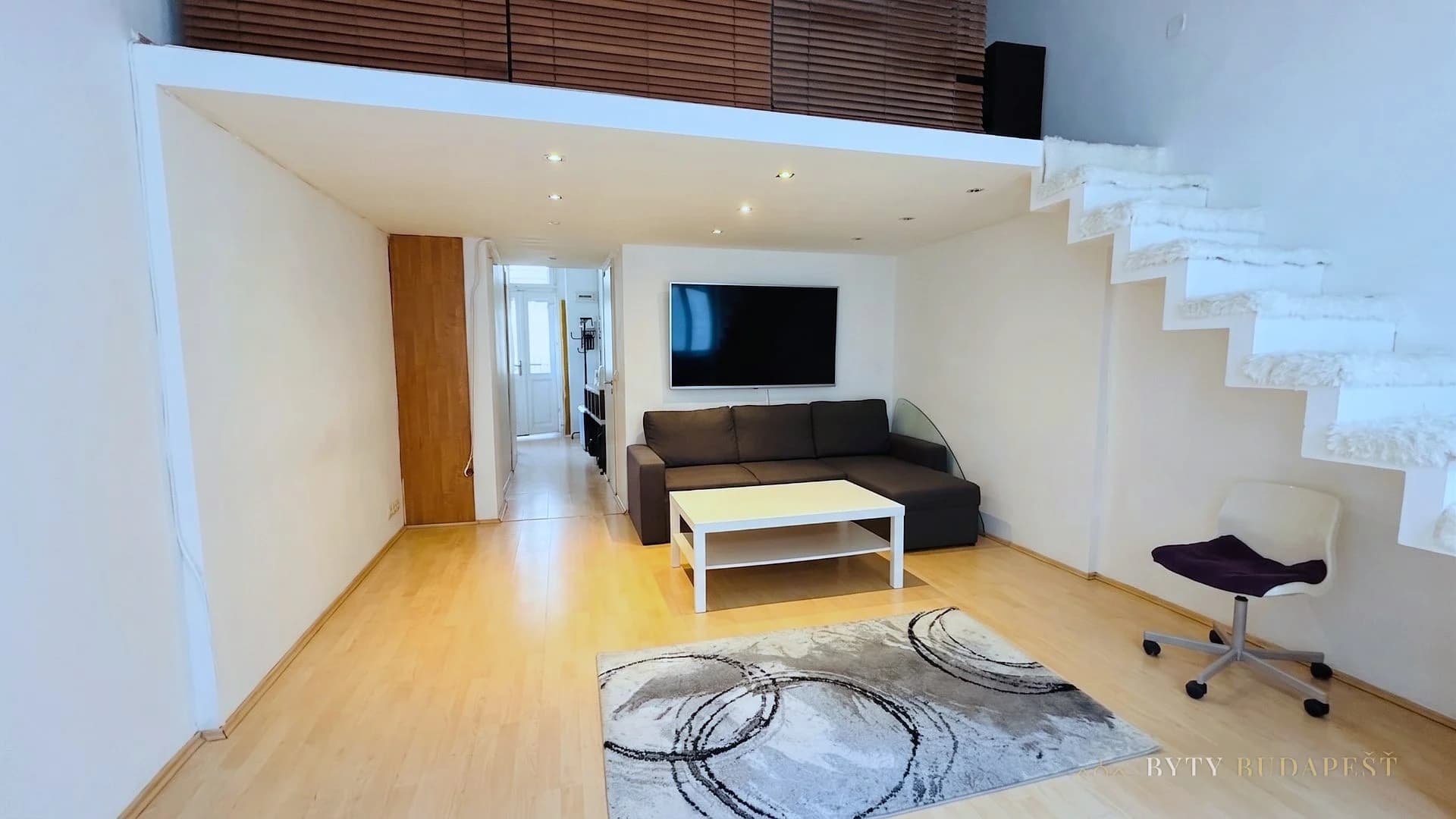 Hungary · BudapestCompleted
Apartment 31 m² with gallery near Keleti pályaudvar
Bright 1-bedroom apartment with gallery in Erzsébetváros, VII district, steps from Keleti station. 31 m² + 12 m² gallery, 1st floor, €133,500, built 1930.
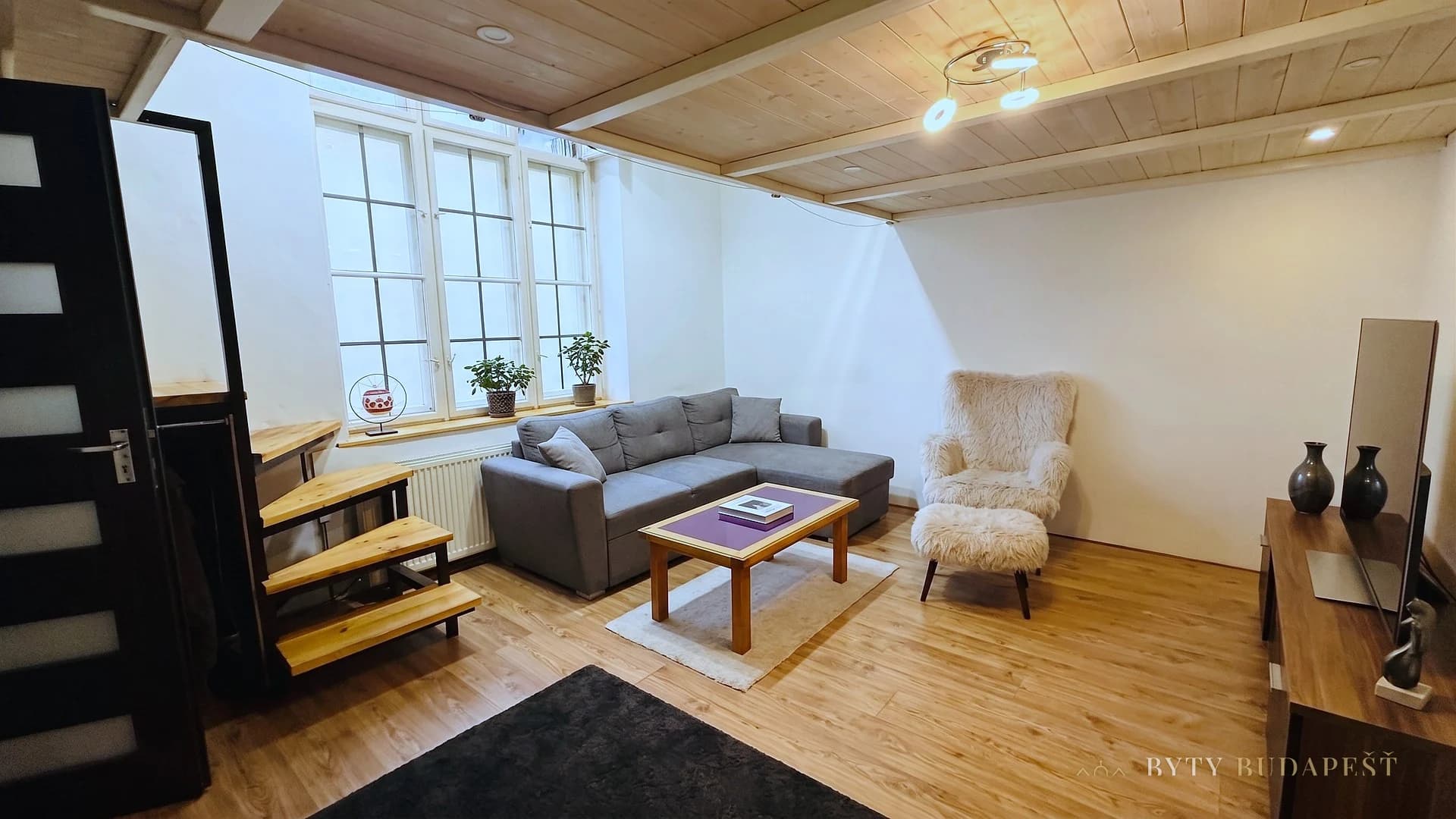 Hungary · BudapestCompleted
Studio with gallery at Mátyás tér, Budapest
Charming studio with gallery in Budapest's popular Mátyás tér location, ground floor of brick building from 1876, fully renovated, offering 5.4% gross annual return.
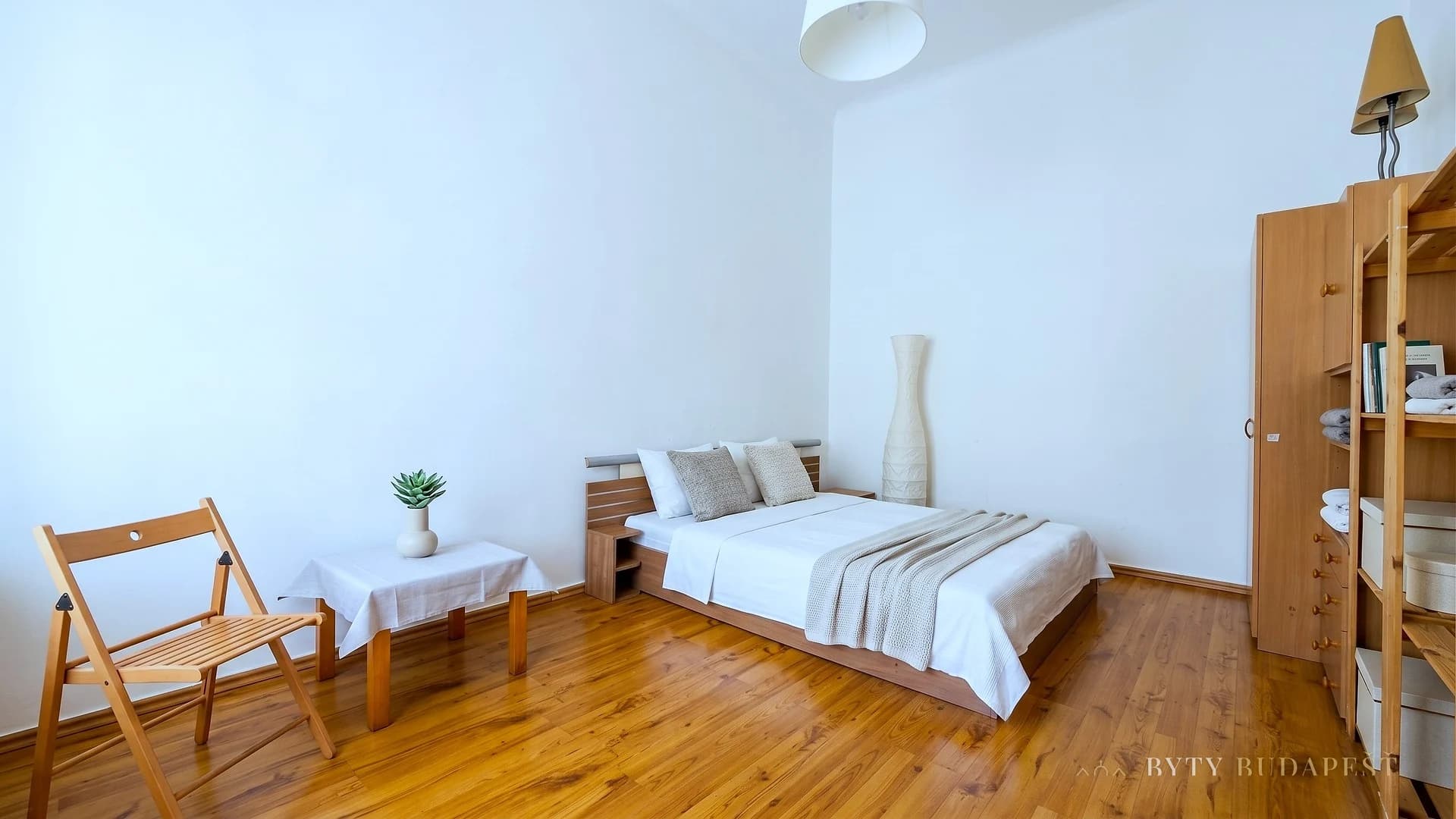 Hungary · BudapestCompleted
Bright 27 m² apartment after renovation near Városliget
Bright 1-bedroom, 27 m² apartment in popular Városliget location, 7th district. Recently renovated with new windows and gas heating, immediately usable.