Buying Property in Italy: Process, Taxes and What to Watch Out For
17 August 2026

Italy has two major advantages for buyers from Slovakia and the Czech Republic, which are rarely discussed. When purchasing an older property from a private individual, the tax is not calculated from the market price, but from the cadastral value, which is usually significantly lower — and after 5 years of ownership, the profit from the sale is completely exempt from tax, even for non-residents. On the other hand, especially in Sardinia, illegal construction is a frequent problem, so a thorough inspection before signing is absolutely essential. Here is an overview of the entire process — rates and specifics are provided with a focus on Sardinia.
Can a Foreigner Buy in Italy?
Yes. EU citizens, including Slovaks and Czechs, buy in Italy without any restrictions and with the same rights as Italians — apartments, villas and land, in full ownership (piena proprietà, equivalent to freehold). Leasehold is not used. The reciprocity condition applies only to citizens outside the EU.
The only administrative requirement is codice fiscale — an Italian tax number, which is issued free of charge by Agenzia delle Entrate or the Italian consulate. Without it, you cannot sign a contract, open an account or pay taxes, so it is the first practical step of any purchase.
Purchase Process Step by Step
- Proposta d'acquisto — a written offer with a small deposit. Caution: once accepted by the seller, it is binding.
- Compromesso / contratto preliminare — a preliminary contract with caparra confirmatoria deposit, usually 10–20%. The regime is strict on both sides: if the buyer withdraws, the deposit is forfeited; if the seller withdraws, they return double. Registration of the preliminary contract is recommended; when buying off-plan, see the section on risks.
- Legal and Technical Inspection — cadastre, encumbrances, building legality, seller's mortgages. It is ideal to have a check of the building's compliance with permits completed before signing the preliminary contract.
- Rogito notarile — final deed of sale at the notary, payment of the remainder of the price, delivery of keys; the notary records the entry in the register of immovable property. The notary is an impartial public official — clients therefore protect their own interests with their own lawyer.
The entire process usually takes 2–4 months. Remote purchase is common via notarial proxy (procura), which can be signed at home with apostille and official translation.
Fees and Taxes on Purchase
> The Globeya Full Service is added to the developer's or seller's price. It covers the whole service, legal work included — a lawyer, legal checks and contract translation. It is paid once, on signing the contract, together with the down payment. Taxes and official state fees are not part of it — you will find the main ones below; we tell you the exact amounts for your specific project in advance and go through all the terms with you in a consultation.
- New building from a developer (up to 5 years from completion): VAT (IVA) 10% of the purchase price (22% for luxury categories A/1, A/8, A/9) + 3× fixed tax 200 €.
- First Home Relief (2% registration tax / 4% VAT) applies only if permanent residence is transferred to the municipality within 18 months — it does not apply to recreational purchases.
Annual Costs for Owners
- IMU — municipal tax on second homes: basic rate 0.86%, the municipality can adjust it to 1.06%. It is calculated from the converted cadastral value, not from the market price; for a typical apartment, this is roughly hundreds to low thousands of euros per year. On main residence (not luxury), IMU is not paid.
- TARI (waste): roughly 200–400 € per year depending on area and municipality.
- Condominio / resort management: depending on amenities roughly 500–2,000+ € per year, more in resorts with pools and landscaping maintenance.
- Utilities and insurance: normal consumption; insurance roughly hundreds of euros.
Rental and Income
A foreigner may rent without restrictions. Short-term tourist rental, however, has clear administrative conditions: national code CIN (Codice Identificativo Nazionale, mandatory from 1 January 2025, fines up to 8,000 €), on Sardinia alongside it also regional code IUN, listing codes in every advertisement, reporting guests to police (Alloggiati Web) and mandatory gas and CO detectors together with fire extinguishers.
Taxation of non-residents: cedolare secca (flat tax) 21% of gross rental income for the first rental apartment, 26% from the second; from the third rental apartment from 1 January 2026 it becomes a business with mandatory VAT registration (partita IVA). Expenses cannot be deducted under this regime; the alternative is progressive IRPEF rates. Municipalities additionally collect tourist tax from guests.
An important fact for investment planning: Sardinia is highly seasonal and occupancy outside June–September is low, which should be taken into account when estimating returns. We do not guarantee specific return percentages.
Residence and Visas
Purchase of property does not grant any residence rights. However, EU citizens do not need them — in Italy they can stay indefinitely; if staying for over 3 months, they are registered in the municipality's resident records (iscrizione anagrafica). The Italian investor visa (from 250,000 €; property purchase does not qualify) is reserved only for non-EU citizens.
Financing
Italian banks typically provide non-residents with mortgages of up to 50–60% of the price, with a strict limit on payments of about 35% of income and a rather lengthy process; some banks do not finance non-residents at all. For new buildings, a developer payment schedule during construction is common.
Practically the simplest way for Slovak and Czech clients is often a home bank loan secured by property at home (American mortgage) — in Italy the client then buys as a cash buyer.
Risks and What to Watch Out For
- Abusi edilizi — illegal constructions and unauthorized alterations are a frequent problem in Sardinia: extensions, closed verandas, swimming pools or extra rooms without permission. Before signing the preliminary contract, you must check the building's compliance with permits and cadastre (conformità urbanistica e catastale).
- Coastal Zone: the Sardinian landscape plan (Piano Paesaggistico Regionale) prohibits new construction within 300 m of the sea, and illegal structures in this zone cannot be subsequently legalized by amnesty — fines up to demolition are threatened. For a seaside villa, verification of legality is key.
- Protection When Buying Off-Plan (D.Lgs. 122/2005): the developer must provide by the preliminary contract at the latest a bank or insurance guarantee (fideiussione) for all deposits — if the developer fails, the guarantor will refund them within 30 days; without a guarantee, the contract is voidable as invalid. Upon completion, the developer must provide a 10-year insurance against serious construction defects (polizza decennale postuma). Never pay deposits without fideiussione.
- Further Checks: certificate of fitness for use (agibilità), possible pre-emption rights for agricultural land, and debts on the condominium.
Sale in the Future
Profit from a sale within 5 years of purchase is subject to 26% tax (substitute tax — you must apply for it directly when signing with the notary; otherwise progressive rates apply). After 5 years of ownership, the profit from the sale is completely exempt from tax — and this applies even to non-residents. The costs of purchase and documented renovations reduce the taxable profit.
Frequently Asked Questions
Do I need any permission to buy as a foreigner? No. As an EU citizen, you buy the same as an Italian; a codice fiscale is sufficient, which is obtained free of charge.
Do I have to be present when signing in Italy? No. The rogito can be signed via proxy (procura) granted to a lawyer, with apostille and translation.
Why is tax calculated from cadastral value? When buying from a private individual, the law allows taxation of the cadastral value, which is lower than the market price — in practice you will pay less than the formal 9%. For a new building with VAT, you pay on the full price.
Can I rent out an apartment via Airbnb? Yes, after obtaining the national code CIN and the Sardinian code IUN and meeting security requirements; the tax is 21% for the first apartment, 26% for the second; from the third apartment from 1 January 2026 it becomes a business with mandatory partita IVA.
What protects me when buying off-plan? The statutory bank guarantee (fideiussione) for all deposits and after completion, 10-year insurance against construction defects. Do not pay anything without the guarantee being presented.
When can I sell without tax? After 5 years from purchase, the profit from the sale is exempt; if sold earlier, 26% of the profit is paid.
Next Step
If buying in Italy appeals to you, we would be happy to go through your plans with you free of charge and without obligation — from choosing the location, through the budget, to checking a specific property. One consultation will save you hours of searching and show you what to watch out for in your specific case. In the meantime, you can check out current offers in Italy.
Information Status: August 2026. General information, not legal or tax advice.
Properties in this country
Listings — Italy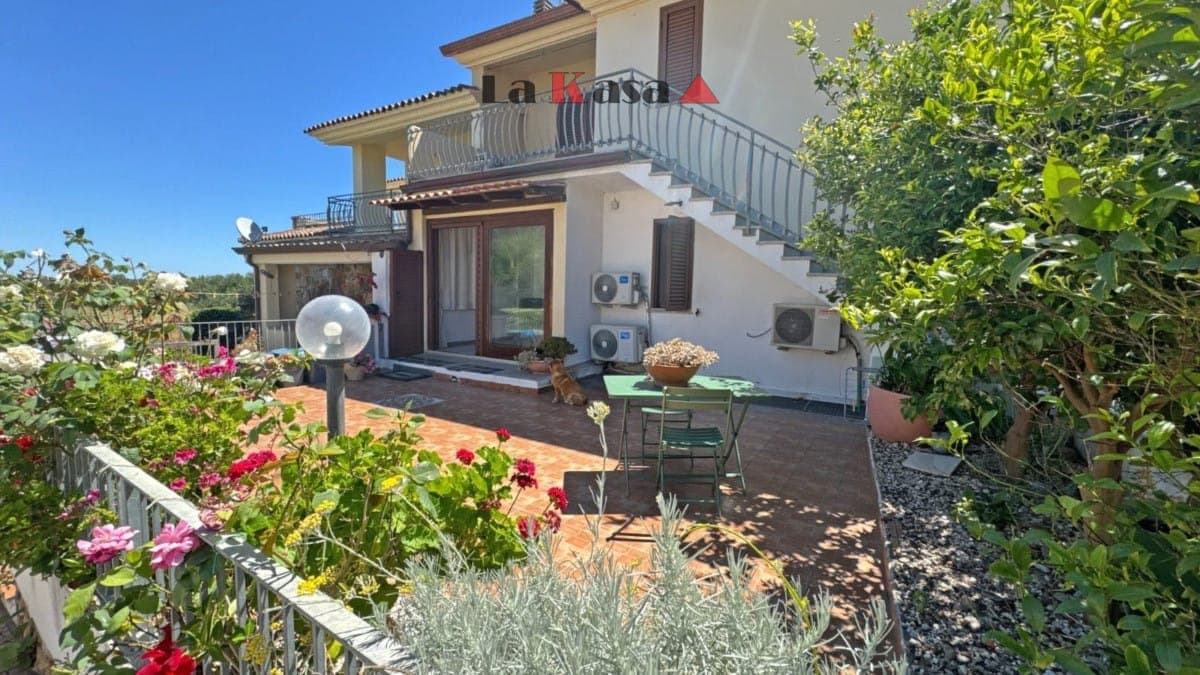 Italy · BudoniCompleted
Three-bedroom apartment in the centre of Budoni
Beautiful three-bedroom ground floor apartment in the heart of Budoni with private garden, steps from all main services, ideal as main residence or rental investment.
 Italy · BudoniCompleted
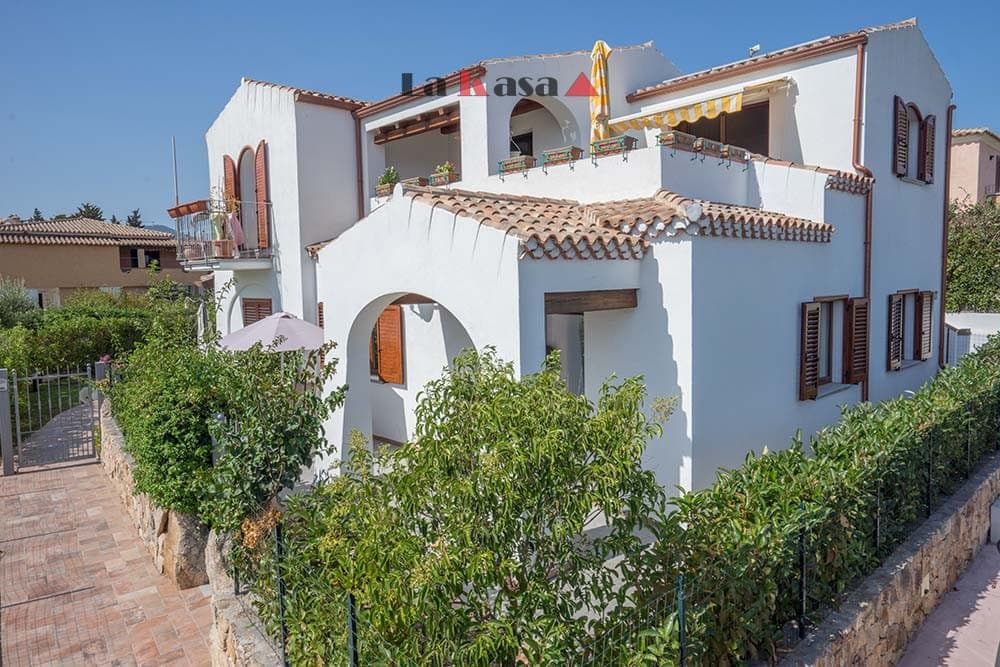
Corner family home in central Budoni
Charming corner home in Budoni, 350-600 m from Stella Marina beach, fully furnished with photovoltaic system, air conditioning and private courtyard.
 Italy · San Teodoro
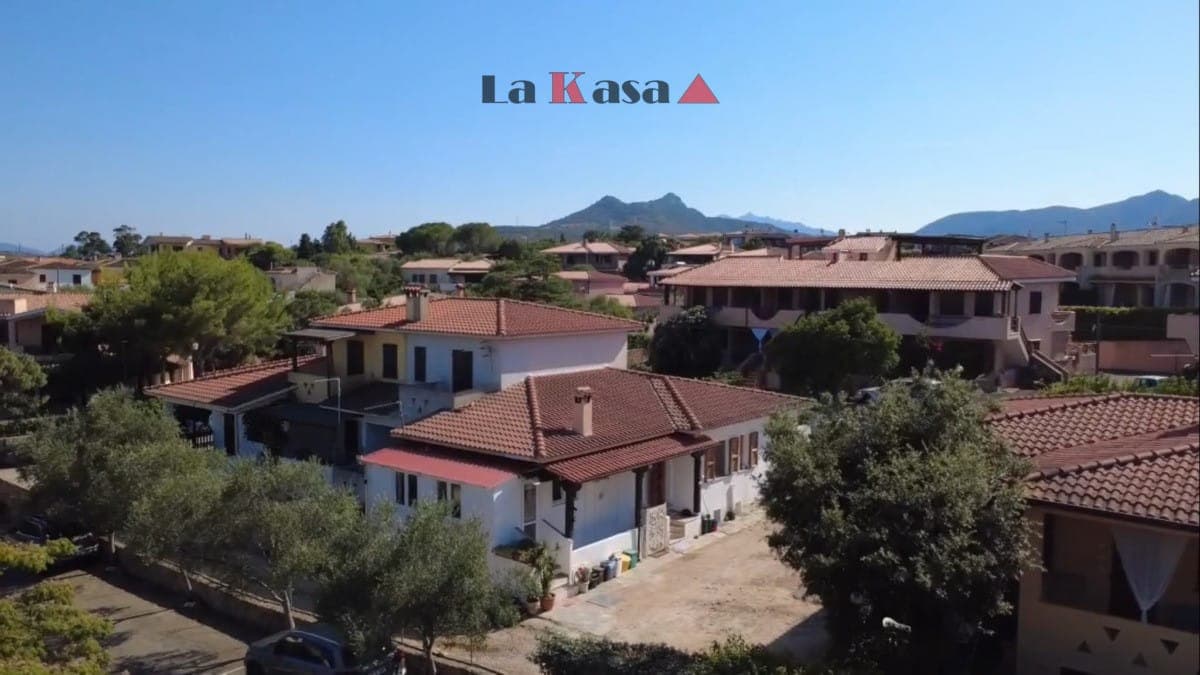
Family home in Monte Petrosu, San Teodoro
Exceptional family home in Monte Petrosu, San Teodoro, featuring spacious living areas, private courtyard, and independent basement apartment ideal for tourist rental.